Author: LLPadmin

Cardiac Tissue Repair

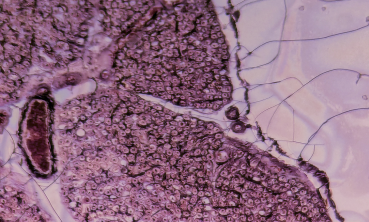
MicroCures is currently advancing a preclinical program investigating the therapeutic potential of siFi2 for cardiac tissue repair. Preclinical studies have demonstrated that topical application of siFi2 immediately following induced myocardial infarction produced significantly improved revascularization, cardiac tissue repair, and recovery of heart function, as compared with controls. In a preclinical study involving a mouse model of myocardial infarction, MicroCures scientists  demonstrated
Read More »

Spinal Cord Regeneration

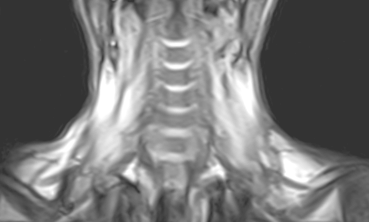
In addition to regenerating damaged peripheral nerves, MicroCures is pursuing MCR-033 as a potential therapeutic option for spinal cord regeneration following injury. Spinal cord injury research has shown that several inhibitory activities prevent healing and regeneration once the nerve has been damaged. These include the formation of a glial scar at the site of injury, which inhibits axon regeneration. Additionally,

Read More »

Cavernous Nerve Regeneration

In conjunction with the National Institute of Health, MicroCures is developing specialized formulations of MCR-420 to enhance regeneration of the cavernous nerves and other peripheral nerves after injury. Preclinical research suggests that MCR-420 accelerates healing of peripheral nerves.  Specifically, using MCR-420 to silence of FL2 activity has regenerated neural tissue after injury in preclinical models, resulting in significant functional recovery compared with controls.  MicroCures

Read More »

Excisional Wound & Dermal Burn Repair

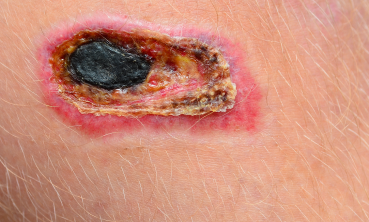
Jump To Excisional Wound Repair | Jump To Dermal Burn Repair Excisional Wound Repair MicroCures’ candidate, MCR-111, is initially being developed for excisional wound repair.  In independently conducted and validated preclinical studies, the treatment has consistently demonstrated the ability to significantly accelerate and enhance the repair of excisional wounds.  When compared to control subjects, those animals treated with MCR-111 demonstrated:

Read More »

Einstein Researchers Develop Novel Drug That Regenerates Erectile Nerves Damaged by Prostate Surgery

(BRONX, NY)— Researchers at Albert Einstein College of Medicine have developed a topical drug that regenerates and restores the function of erectile nerves damaged by radical prostatectomy, the most common treatment for localized prostate cancer. The drug was tested in rats, and the findings were published online today in JCI Insight. These images show neurons cultured in petri dishes and treated

Read More »

New treatment for ED after prostate surgery being developed, researchers say

Men undergoing surgery for prostate cancer may no longer have to live with erectile dysfunction afterward, thanks to an innovative new treatment, researchers said in a paper published Monday by JCI Insight. The treatment, developed at Albert Einstein College of Medicine in New York City, involves the surgical implantation of a topical drug that regenerates and restores the function of

Read More »

Hope for prostate cancer patients as experimental drug ‘may allow thousands of men left impotent from drastic surgery to get erections again

An experimental nerve-growing drug could revolutionise the sex lives of prostate cancer sufferers, scientists say. Thousands of men diagnosed with the disease require drastic treatment to remove the organ, which sits in the pelvis and is about the size of a ping pong ball. But it can damage nerves that control blood supply to the penis, leaving patients completely unable

Read More »

Biotech Companies Seek to Restore Functions to Spinal-Cord Injury Patients

Stem cells, gene therapy among treatments under study for paralyzing injuries Biotechnology companies and researchers are studying treatments that could help patients with spinal-cord injuries recover abilities to move and function that they have lost. Each year about 18,000 Americans suffer spinal-cord injuries, which are often caused by automobile accidents, falls, violence and sports injuries, according to the National Spinal

Read More »

New Therapy for Corneal Burns

New York, NY: In a study published online on January 8 in Translational Vision, Science and Technology, Albert Einstein College of Medicine scientists showed that their novel wound-healing therapy speeds the healing of corneal alkaline burns and may improve on current therapies that have limited success against such burns. Researchers in the lab of co-senior author David Sharp, Ph.D., had previously

Read More »