Category: Other Applications

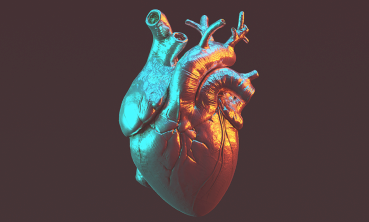
Cardiac Tissue Repair

MicroCures is currently advancing a preclinical program investigating the therapeutic potential of siFi2 for cardiac tissue repair. Preclinical studies have demonstrated that topical application of siFi2 immediately following induced myocardial infarction produced significantly improved revascularization, cardiac tissue repair, and recovery of heart function, as compared with controls. In a preclinical study involving a mouse model of myocardial infarction, MicroCures scientists  demonstrated
Read More »

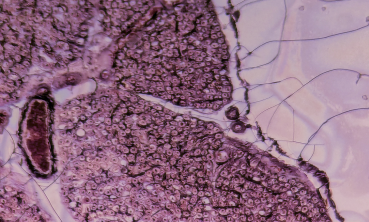
Spinal Cord Regeneration

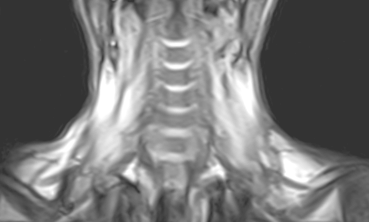
In addition to regenerating damaged peripheral nerves, MicroCures is pursuing MCR-033 as a potential therapeutic option for spinal cord regeneration following injury. Spinal cord injury research has shown that several inhibitory activities prevent healing and regeneration once the nerve has been damaged. These include the formation of a glial scar at the site of injury, which inhibits axon regeneration. Additionally,

Read More »

Cavernous Nerve Regeneration

In conjunction with the National Institute of Health, MicroCures is developing specialized formulations of MCR-420 to enhance regeneration of the cavernous nerves and other peripheral nerves after injury. Preclinical research suggests that MCR-420 accelerates healing of peripheral nerves.  Specifically, using MCR-420 to silence of FL2 activity has regenerated neural tissue after injury in preclinical models, resulting in significant functional recovery compared with controls.  MicroCures

Read More »

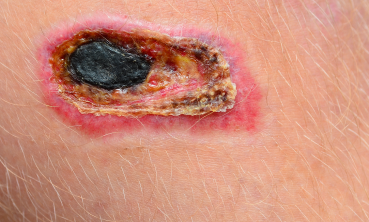
Excisional Wound & Dermal Burn Repair

Jump To Excisional Wound Repair | Jump To Dermal Burn Repair Excisional Wound Repair MicroCures’ candidate, MCR-111, is initially being developed for excisional wound repair.  In independently conducted and validated preclinical studies, the treatment has consistently demonstrated the ability to significantly accelerate and enhance the repair of excisional wounds.  When compared to control subjects, those animals treated with MCR-111 demonstrated:

Read More »